

The continuing conflict in the Middle East is having consequences far beyond the region itself, with the construction and building services industries increasingly exposed to the disruption of international supply chains.
For the pre-insulated pipe sector, the situation presents a number of challenges. From the availability and cost of raw materials to international transportation, fuel prices and delivery schedules, the effects are being felt throughout the supply chain.
While pre-insulated pipe may not appear to be an obvious casualty of geopolitical conflict, its manufacturing and distribution rely on a complex network of materials, energy-intensive production processes and international logistics. Disruption to any one of these areas can have a significant knock-on effect on manufacturers, distributors and the contractors installing the products.
Rising costs and pressure on raw materials
One of the biggest concerns is the impact of the conflict on energy and petrochemical markets.
Pre-insulated pipe systems typically incorporate a steel service pipe, polyurethane insulation and an external polyethylene casing. The manufacture of these components is dependent on energy, industrial chemicals and petroleum-derived materials.
As instability in the Middle East places pressure on global oil and gas supplies, manufacturers may face increased costs for polyethylene, polyurethane-related chemicals, steel production and transportation.
The European plastics industry has already reported significant pressure from rising raw material prices, energy costs and uncertainty over supply availability. These pressures could feed through into the cost of manufacturing pre-insulated pipe systems.
With energy markets remaining volatile, manufacturers and distributors are having to consider how long existing pricing structures can be maintained.
The challenge is not simply the cost of the materials themselves, but the uncertainty surrounding future prices and the ability to secure consistent supplies.
Distribution and delivery times under pressure
For distributors and contractors, transportation is another major concern.
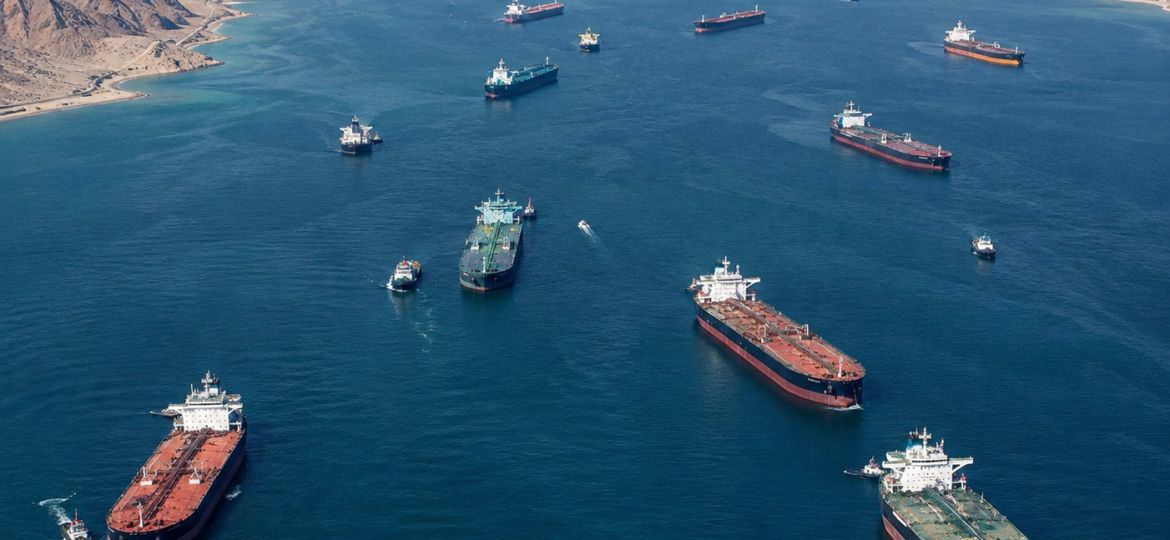
Disruption around the Strait of Hormuz and wider Middle Eastern shipping routes has affected international freight movements, with some shipping operators changing routes, introducing additional charges or experiencing delays.
The International Maritime Organization reported in August 2026 that hundreds of vessels and thousands of seafarers remained affected by the disruption in the Persian Gulf.
More recent supply chain data from project44, published on 29 October, indicates that shipping diversions from Middle Eastern ports remain approximately 2.4 times higher than pre-conflict levels. Congestion at several major transhipment ports also remains above normal.
For businesses importing pipe, fittings, valves, insulation materials and associated components, this creates additional uncertainty around delivery dates and stock availability.
Even where products are manufactured outside the Middle East, the wider effects on shipping capacity, fuel prices and insurance costs can influence the cost and reliability of getting materials into the UK and European markets.
This is particularly concerning for distributors operating on carefully managed stock levels, where unexpected delays can quickly create gaps in availability.
Installers are feeling the knock-on effects
Perhaps the most immediate impact is being experienced by the contractors and installation teams working on site.
Pre-insulated pipe installations are often undertaken as part of tightly scheduled construction and infrastructure projects. District heating schemes, energy networks and industrial installations depend on materials arriving at the right time and in the correct quantities.
A delayed delivery can mean more than simply rearranging a delivery slot.
Installation teams may have labour booked, plant and machinery hired, excavations prepared and other trades scheduled to follow. If the required pipework or fittings fail to arrive, contractors can face lost working days, additional labour costs and disruption to the overall programme.
There is also the issue of pricing. Contractors who have agreed fixed-price installation contracts may find themselves exposed if material prices, transport charges or supplier surcharges increase after their quotations have been submitted.
For smaller installation businesses, where margins are often tight, absorbing these additional costs can be particularly difficult.
The situation also makes forward planning more challenging. Contractors may need to order materials earlier, increase the amount of stock held on site or allow greater flexibility within their installation programmes.
All of these measures have financial implications.
The importance of distributors and stock availability
In an uncertain market, the role of specialist pre-insulated pipe distributors becomes increasingly important.
Maintaining adequate stock levels, understanding manufacturers’ lead times and communicating potential supply issues to customers can make a considerable difference to the success of a project.
Distributors that can offer readily available stock and reliable delivery arrangements may become an increasingly valuable resource for contractors looking to minimise disruption.
However, maintaining higher stock levels also presents challenges. Increased purchasing costs, warehousing requirements and the possibility of further price changes all need to be considered.
The industry must also recognise that alternative products are not always a straightforward solution. Pre-insulated pipe systems are engineered products, and compatibility between pipe dimensions, insulation specifications, jointing systems and fittings is essential.
Contractors cannot simply substitute one product for another without checking the technical requirements of the installation.
Could project costs increase further?
With global energy markets remaining under pressure, there are concerns that the financial effects of the conflict could continue to filter through into construction and infrastructure projects.
On 2 November, Reuters reported warnings from the energy industry that global supply buffers had been significantly depleted following disruption to shipping through the Strait of Hormuz. Higher diesel prices and increased logistics costs are adding further pressure to businesses.
For the pre-insulated pipe industry, the potential consequences include:
- Increased manufacturing and raw material costs.
- Higher transportation and distribution charges.
- Longer or less predictable delivery lead times.
- Greater pressure on distributors to maintain stock.
- Increased costs for contractors working under fixed-price agreements.
- Potential delays to district heating and infrastructure projects.
- Greater difficulty preparing accurate quotations for future work.
Not every manufacturer or distributor will experience the same level of disruption. Much will depend on where materials are sourced, manufacturing locations, existing stock levels and individual supply agreements.
Nevertheless, the wider market remains exposed to uncertainty.
Planning ahead will be essential
Although the industry cannot control geopolitical developments, businesses can take practical steps to reduce their exposure.
Contractors should consider reviewing upcoming project requirements and placing orders earlier where possible. Maintaining regular communication with suppliers and confirming delivery schedules before committing installation teams can also help reduce the risk of unexpected disruption.
Distributors and manufacturers, meanwhile, will need to maintain close relationships throughout their supply chains, monitor raw material costs and provide customers with clear information about pricing and availability.
Quotation validity periods and contractual arrangements may also need reviewing to ensure that unexpected material and transportation cost increases are properly considered.
Above all, communication between manufacturers, distributors and installers will be essential.
An industry that needs certainty
The pre-insulated pipe industry plays an important role in the development of more efficient heating networks, energy infrastructure and sustainable building services.
With continued investment in district heating and the transition towards lower-carbon energy systems, demand for reliable pipework solutions remains important.
However, these projects depend on more than the availability of technically suitable products. They require dependable manufacturing, consistent distribution and installation contractors who can complete work efficiently and on budget.
The Middle East conflict has highlighted just how interconnected these industries have become and how events thousands of miles away can affect the delivery of materials to a construction site in the UK.
For distributors and installers alike, the priority will be to manage uncertainty, protect project programmes and maintain confidence in the supply chain.
The real test for the pre-insulated pipe industry will be how effectively it can adapt to continued disruption while ensuring that the contractors on the ground have the materials they need, when they need them.